
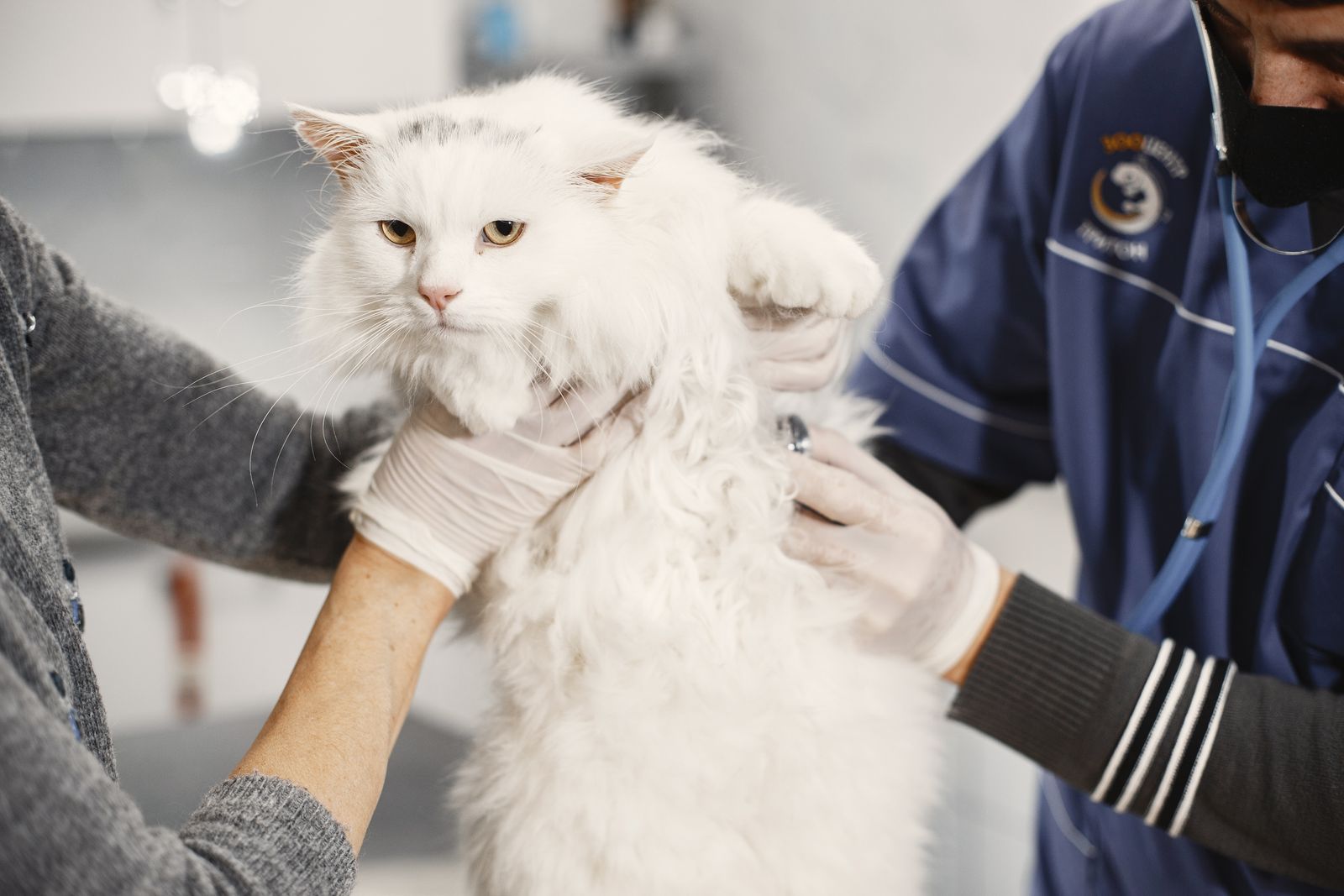
A taste of cat-safe toothpaste can be the whole first lesson. Once your vet has checked that brushing is appropriate, introduce the flavor, lip handling, and brush in separate, brief steps.
Build toward gentle daily brushing as your cat becomes comfortable. If their mouth hurts, they need dental care before more practice.
Check that brushing is appropriate right now
Talk with your veterinarian about your cat's mouth-care plan, especially if you haven't had a recent dental assessment. Bad breath with oral changes, drooling, bleeding, dropped food, difficulty eating, or apparent mouth pain warrants an examination before you continue practicing.
Don't assume reluctance is a training problem. Cornell's feline dental guidance describes painful dental conditions and the role of regular home care.
Brushing helps control plaque. It doesn't remove established tartar or treat painful dental disease, and it doesn't replace professional assessment and treatment when needed.
Choose a small brush and cat-safe paste
Use a soft brush appropriate for a cat's mouth and toothpaste labeled for cats. Ask the clinic to show you suitable equipment and technique if you're unsure.
Don't use human toothpaste or baking soda. VCA's cat-brushing guide explains why feline products and gentle tools matter.
Start in a calm, familiar place on a stable surface. Keep your cat free to move away, and have any suitable reward ready before reaching toward their face. If ordinary touch is still difficult, begin with getting a cat comfortable with handling. General reward selection is covered in the cat-training guide.
Teach taste and touch separately
Offer a tiny taste of the cat-safe paste according to its directions, without immediately following it with mouth handling. If your cat dislikes the flavor, ask about another appropriate option. Don't smear it onto their nose to force a taste.
At another easy moment, briefly touch the cheek or lip area your cat already accepts. Release and reward. Then work toward a short lip lift, stopping before tension or withdrawal.
These skills can develop at different speeds. A cat who loves the paste may still dislike lip handling. Keep working on the difficult part at an easier level instead of adding the brush because the tasting went well.
Let the cat inspect the brush separately. A comfortable sniff or brief lick of paste from it can help make the tool familiar, provided the cat stays relaxed. Check for tension or withdrawal even if your cat is still eating.
Start with a few outer tooth surfaces
Once lip handling and brush proximity are comfortable, gently lift the lip enough to reach the outside of a few teeth. You don't need to force the jaw open.
Use light, gentle strokes along the outer tooth surfaces at the gumline, as your veterinary team has demonstrated. Start with only the area your cat readily allows, then stop and offer a reward.
Build coverage gradually while keeping the pressure gentle. Add a tooth or two only while your cat stays relaxed. Don't restrain them longer to reach a time target.
If your cat turns away, stiffens, or tries to leave, stop. Return to an easier lip touch or brush introduction at a later suitable time. Never put fingers into a defensive mouth or keep going through bleeding.
Work toward daily care without rushing the teaching
Daily brushing is the goal for plaque control, as Cornell explains. Getting there depends on the cat, their mouth health, and their handling history.
Attach practice to a quiet part of your routine. Note the last comfortable step: "Lip lift on right side, brush not added yet." Share the note so another caregiver knows where to start.
After a difficult session, return to an easier step. Allow time for each step instead of trying to finish the training by a set date.
If your cat still can't tolerate brushing
If flavor is the only problem, discuss suitable alternatives. If touching the face is difficult, work on that foundation. If a previously accepted step becomes painful or unwelcome, contact your vet.
Some cats need an individualized home-care plan that includes other dental products. Ask the clinic which products suit your cat and how they fit into the dental-care plan. Don't assume a treat or water additive provides the same cleaning as brushing or replaces treatment.
Do not try at-home scaling or improvise medication. Bring your practice notes to the clinic so the dental plan reflects both the cat's health and what you can safely do at home.
Sources: Cornell feline dental disease and VCA brushing cats' teeth.

