
 Featured guide
How to Read Your Dog’s Tail Language
Read dog tail height, speed, stiffness, and motion in whole-body context, learn why wagging is not always friendly, and know when to give space.
Read More Featured guideRead dog tail height, speed, stiffness, and motion in whole-body context, learn why wagging is not always friendly, and know when to give space.
Read More
Learn what dog ear positions may suggest, why breed and baseline matter, which whole-body signals add context, and when ear changes need a vet.
Read More
Make dog cues more reliable around distractions with a simple training ladder, better distance, stronger rewards, and safe ways to raise difficulty.
Read More
Prepare for grooming and examinations with one familiar touch, a reward, and a clear way for your puppy to pause.
Read More
Build from toothpaste tasting to gentle brushing, with mouth pain checked first and daily care as the eventual goal.
Read More
Start puppy potty training with one toilet spot, frequent trips, close supervision, immediate rewards, calm accident cleanup, and a simple progress log.
Read More
Kitten-proof every room for string, cords, lilies, medicine, cleaners, appliances, windows, balconies, small objects, and hidden entrapment risks.
Read More
Socialize a puppy safely with controlled exposure, veterinary risk guidance, choice, distance, short sessions, and early signs of stress.
Read More
Help a newly adopted cat adjust with a prepared safe room, choice-based contact, gradual exploration, stable routines, and signs that need veterinary help.
Read More
Introduce a kitten to an adult cat with separate rooms, scent exchange, secure visual contact, divided resources, and signs that tell you to slow down.
Read More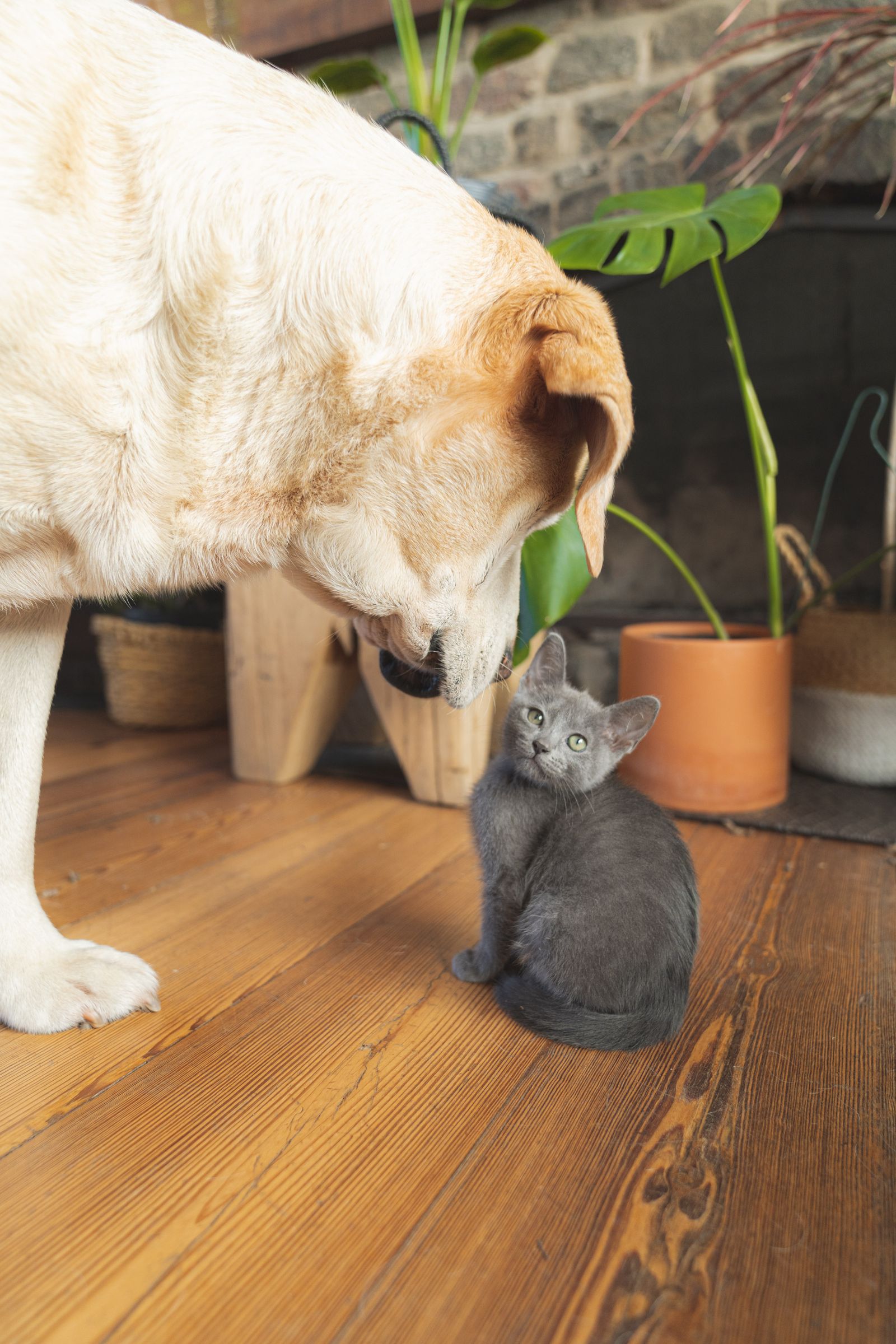
Introduce a kitten to a dog with separate spaces, scent exchange, secure barriers, leash control, escape routes, and warning signs that require help.
Read More
Puppy-proofing starts at puppy height. Get near the floor, look under furniture, and assume anything reachable may be chewed, swallowed, pulled down, or climbed.
Read More
Wait until the kitten has a quiet home base and is eating, resting, and using the litter box normally. For the first meeting, have one child sit quietly while an adult stays within reach.
Read More
Create a flexible puppy daily schedule for potty trips, meals, naps, play, and training, with sample routines you can adjust around age and work.
Read More
Build a flexible kitten daily schedule for meals, play, litter checks, naps, and bonding, with an adaptable routine and signs that need a vet.
Read More
Prepare a cat-only refuge, build calm experiences through barriers, and use both animals' behavior to decide the next step.
Read More
Check for urinary warning signs first, then review cleanup, box access, litter, and the pattern behind each miss.
Read More
Set up calm first meetings with active adult supervision, room to retreat, and clear boundaries around food, sleep, and play.
Read More
Make the carrier familiar at home, then teach entry, door closure, carrying, and travel as separate small experiences.
Read More
Plan bedtime, respond to waking, and use your puppy's actual sleep and potty patterns to adjust overnight care.
Read More
Introduce gentle touch, supported lifts, and new people at a pace that lets your kitten settle and choose contact.
Read More
Use a quiet response when teeth meet skin, plan safer play, and learn which biting patterns need professional support.
Read More
Build comfortable paw contact one small step at a time, with an easy release and separate practice for each foot.
Read More
Begin with the clip and a few relaxed indoor steps, then work through chewing, planted feet, and outdoor distractions.
Read More
Prepare paws and clippers separately, identify the safe tip, and treat one comfortable clip as a complete session.
Read More
Introduce the collar, buckle, and first wear separately, with fit checks and an easy response to discomfort.
Read More
Let your cat choose brief touch, learn their preferences, and prepare for supported lifting when it's useful.
Read More
Clean up calmly, work backward from the accident, and make the next potty opportunity easier to catch.
Read More
Respond safely to rough play, give your cat suitable hunting games, and recognize when a bite needs a different approach.
Read More
Help a nervous puppy explore at a comfortable pace, with safe socialization, small rewards, and room to retreat.
Read More
Build trust through comfortable shared space, small rewards, and interaction your cat can choose.
Read More
Practice new skills briefly and regularly, then reinforce useful behavior during daily life. A convenient routine matters more than a session quota.
Read More
Give a shy kitten a predictable safe area, choices, and brief positive experiences. Let their behavior decide when to take the next step.
Read More
During early housetraining, offer a toilet trip about every forty-five to sixty minutes while awake, plus trips after waking, meals, and active play.
Read More
Expect several toilet events through the day, but count actual urine and stool separately. Comfort and changes from normal matter more than box visits.
Read More
Young puppies commonly sleep around eighteen to twenty hours in twenty-four hours. That includes daytime naps, not just the night.
Read More
Kittens spend much of the day asleep, usually more than adult cats. Their appetite, activity when awake, and changing habits matter more than a precise total.
Read More
Five to ten minutes is a useful general guide, but puppies and difficult new skills often need much less. Let engagement set the pace.
Read More
One to three minutes can be plenty for cat training. Stop sooner if your cat loses interest, and keep each step easy to understand.
Read More
A puppy's bladder isn't the only limit on alone time. Start with tiny separations and plan reliable care for longer absences.
Read More
Young kittens need regular care and company. Plan absences around meals, litter checks, and how comfortably your kitten settles.
Read More
Learn how to teach sitting, recall, and carrier skills with rewards, short sessions, and realistic expectations.
Read More
Spot common dog training mistakes, from late rewards to repeated cues, and learn simple, humane changes that make everyday practice clearer for your dog.
Read More
Bring your kitten home with a calm plan for food, litter, hiding, and the first night.
Read More
Plan your puppy’s arrival, first potty trips, meals, naps, and bedtime.
Read More
Build a flexible first-week kitten routine for meals, litter checks, play, and rest.
Read More
Create a flexible first-week puppy routine for potty breaks, meals, naps, crate practice, and safe socialization.
Read More
Low-fuss indoor games that turn sniffing, searching, and problem-solving into a calmer day at home.
Read More
A practical way to match bed shape, support, and materials to the sleeper already curled up beside you.
Read More
Three useful checks that cut through packaging claims and help you compare everyday food more confidently.
Read More